Description
NEW LANDTONE Fuzz Face Pedal kit for Guitar Effects Pedal with 1590B Silver Case
Visible activity: 0
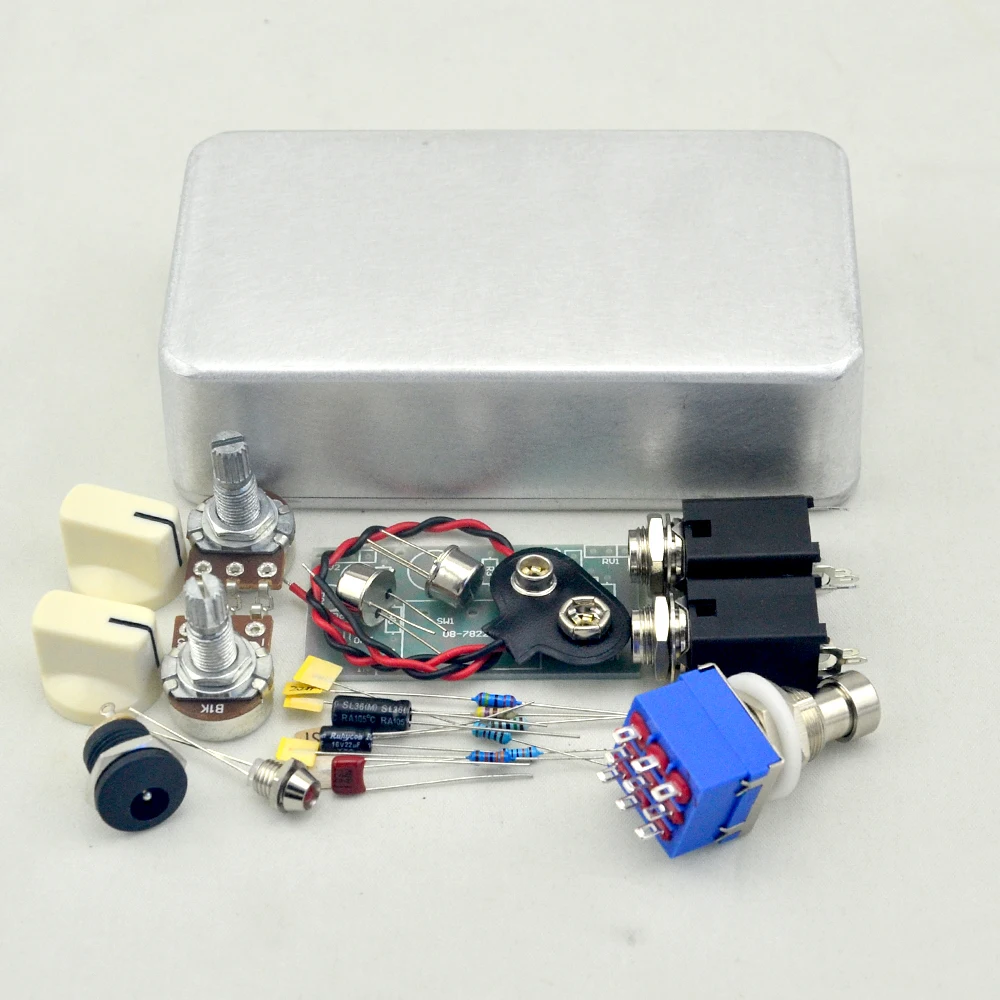
NEW LANDTONE Fuzz Face Pedal kit for Guitar Effects Pedal with 1590B Silver Case.
NEW LANDTONE Fuzz Face Pedal kit for Guitar Effects Pedal with 1590B Silver Case
Visible activity: 0
Landtone is represented on GPAS by a broad range of affordable guitar-pedal products and pedal-building parts. The current selection includes delay, overdrive, distortion, fuzz, compressor, tremolo and reverb kits, alongside DPDT footswitches, A/B loopers, patch sockets and enclosures. Check whether a listing is a complete pedal, a kit or an individual component, then compare the included hardware, switching, enclosure, power requirements and build work involved.
Fuzz drives the signal into extreme clipping, often flattening the waveform and generating a thick spectrum of harmonics. Transistor type, bias, input loading and tone filtering create markedly different responses, from loose and velvety to gated, spluttering or octave-rich. Some circuits interact strongly with pickup impedance and guitar volume, while others include buffers or blends for a more consistent response.
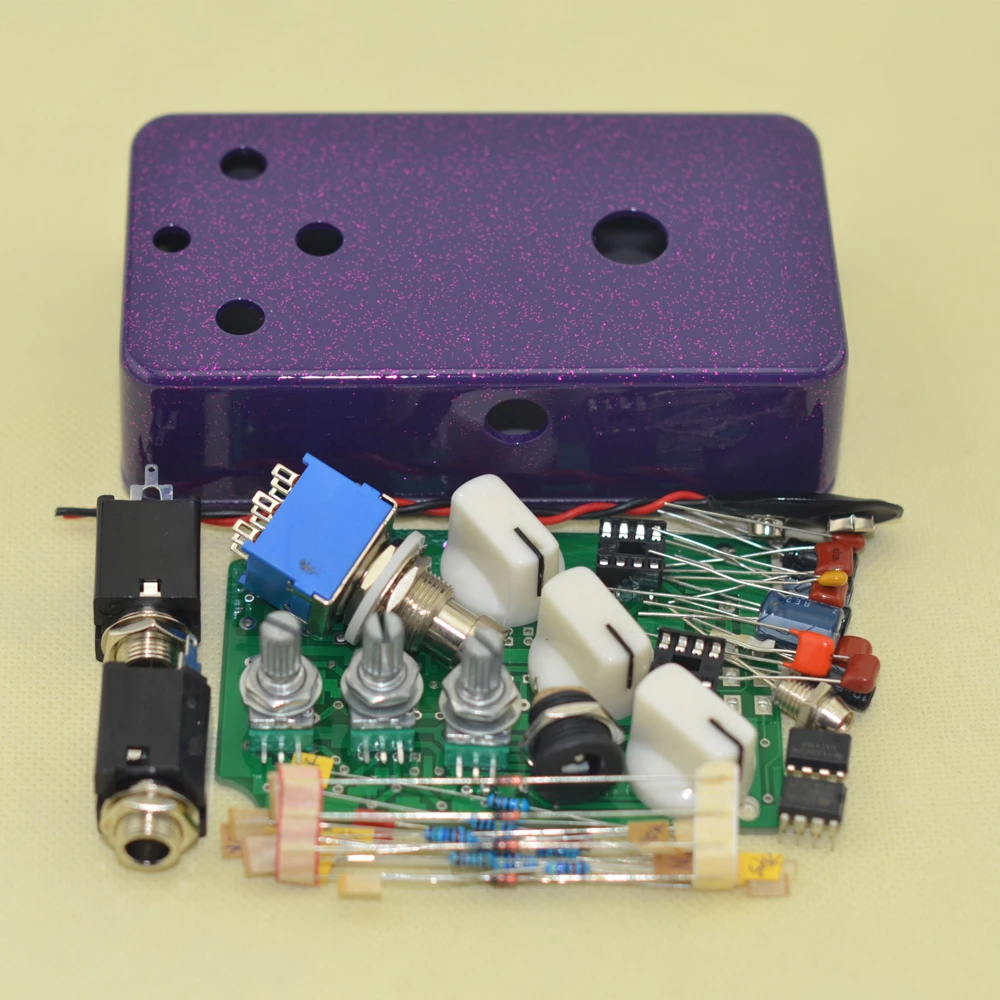
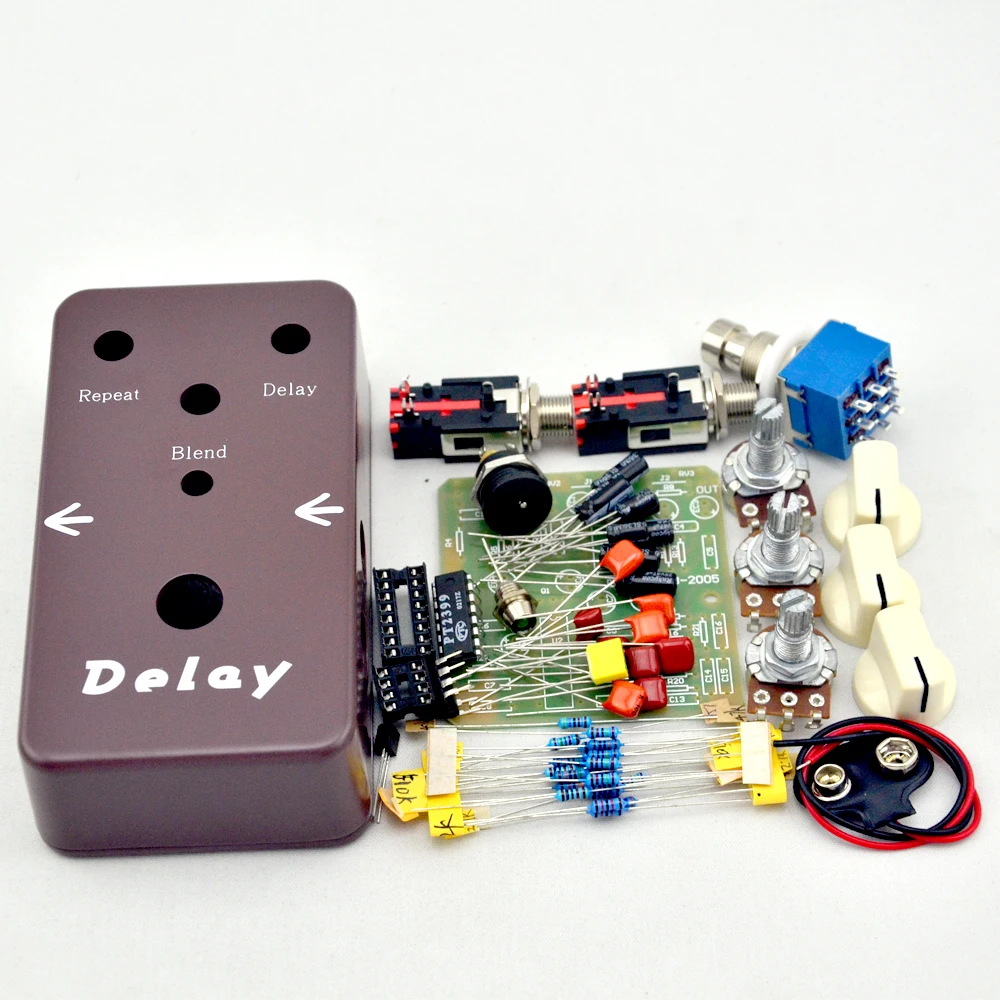
Supplied as components and hardware to be assembled into a working pedal. Circuit complexity, board layout, enclosure preparation and off-board wiring set the difficulty, while accurate component values, polarity and solder joints determine the final noise, reliability and sound.
Fuzz is one of the earliest and most distinctive guitar effects, known for its thick, gritty, and saturated tone that completely transforms your sound. It works by heavily clipping the audio signal, producing a raw, almost broken distortion that defined the sound of the ’60s and ’70s rock era. Classic pedals like the Fuzz Face and Big Muff became legendary for their roaring sustain and rich harmonic texture. Modern fuzz pedals range from vintage-style warmth to wild, synth-like chaos, making them perfect for players who want to add character, attitude, and a touch of chaos to their tone.