About the manufacturer
Electro-Harmonix, often known as EHX, is a pioneering effects pedal company from New York that helped shape the sound of modern music. Founded by Mike Matthews in 1968, the brand became legendary for its bold innovation and unmistakable tones. Classics like the Big Muff Pi, Memory Man, and Small Clone have defined the sound of rock, punk, and alternative music for decades. Known for their rugged build, distinctive character, and experimental edge, Electro-Harmonix pedals encourage creativity and individuality. From vintage warmth to wild sonic textures, EHX remains a favourite among players who love pushing boundaries and crafting unique sounds.
More info about this Product
Guitar pedals are compact effects units that shape and enhance a guitar’s sound, sitting between the instrument and the amplifier. They include gain pedals like overdrive and distortion, modulation effects such as chorus and tremolo, time-based effects like delay and reverb, and essential utilities including tuners, compressors and loopers. Understanding basic things such as pedal type, signal order, power requirements and intended use helps players choose pedals that suit their style, setup and playing environment.
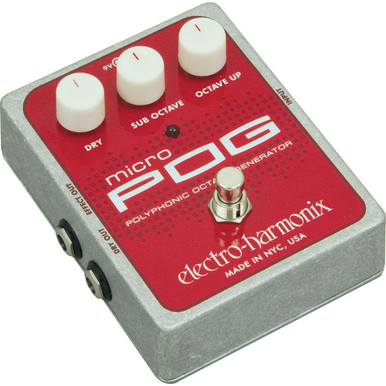
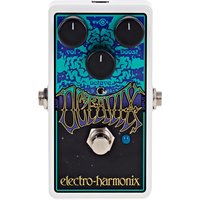
An octave effect generates notes one or more octaves above or below the input. Analogue circuits often create raw monophonic sub-octaves, while digital pitch tracking can follow chords and provide several intervals with cleaner separation. Tracking speed, polyphonic accuracy, latency and the balance of dry, upper and lower voices determine whether the result feels tight, organ-like, synthetic or deliberately unstable.
More Gear like this
Guitar pedals alter, route, control or support an instrument signal from the floor. The tag covers individual effects, multi-effects, switching, tuning, looping, amplification and pedalboard utilities. The product category and additional effect tags identify the specific job each pedal performs.