Description
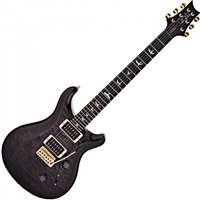
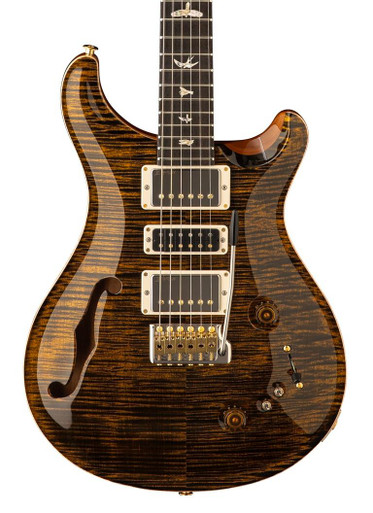
Get your hands on the PRS SE Limited Edition Hollowbody II Non-Piezo Electric Guitar in Charcoal Burst at Music Co. Includes a PRS SE gig bag.
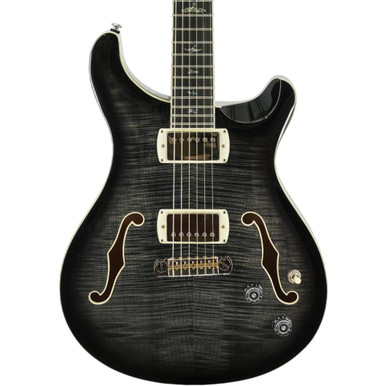
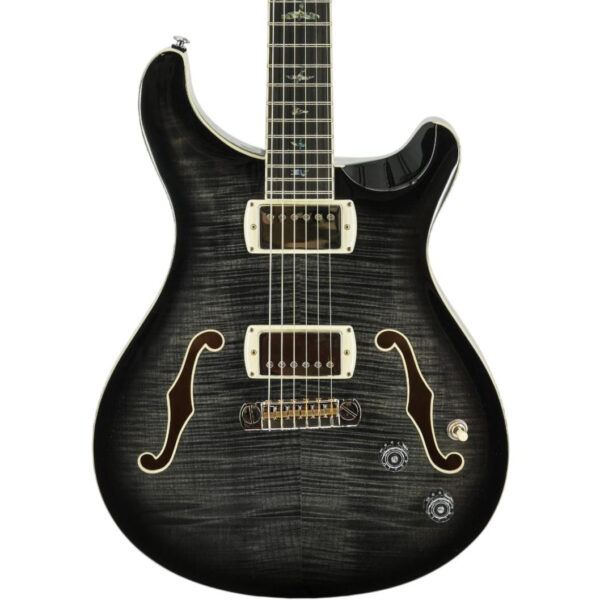



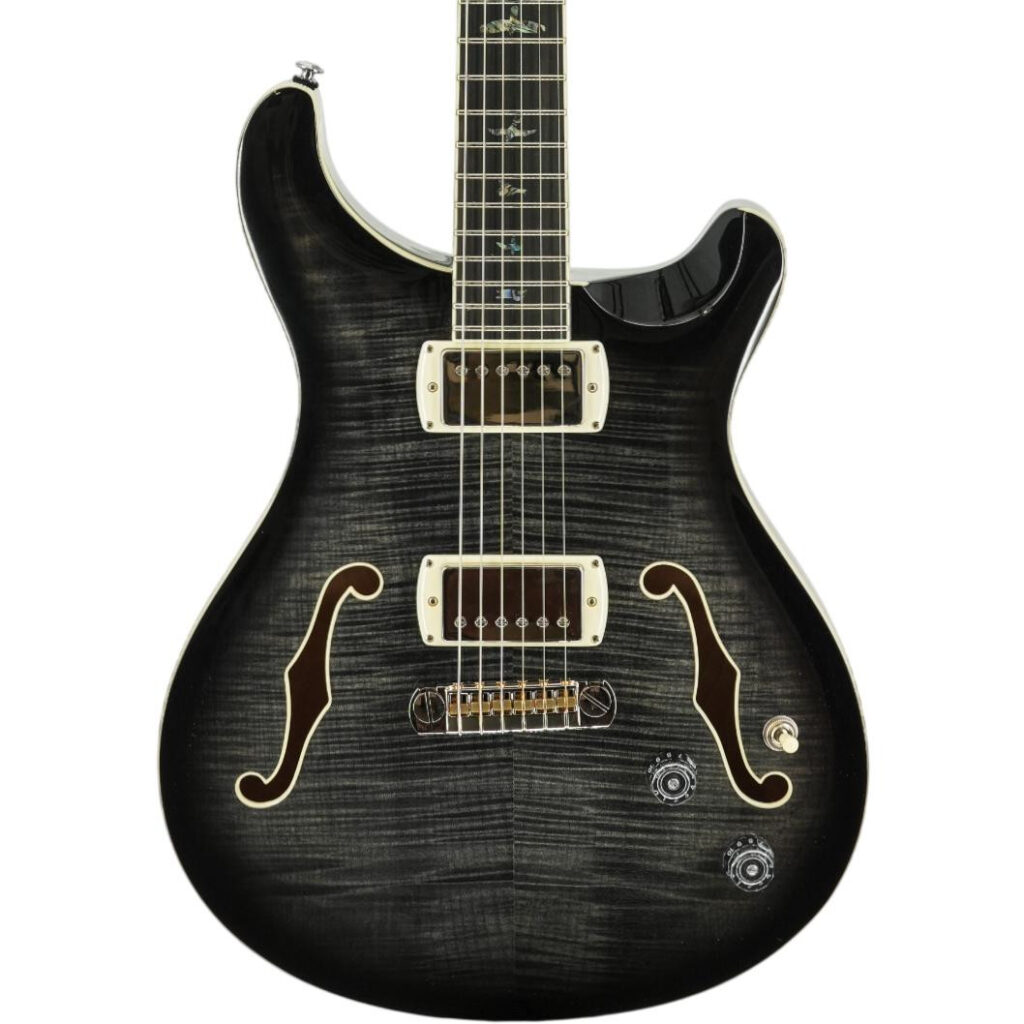
This is a New PRS SE Limited Edition Hollowbody II Non-Piezo Electric Guitar in Charcoal Burst from PRS, now available in the Guitar category on Guitars Pedals Amps and Stuff.. Read More below.
PRS, or Paul Reed Smith Guitars, is renowned for its exceptional craftsmanship, stunning aesthetics, and perfectly balanced tone. Founded in 1985 in Maryland, USA, by luthier Paul Reed Smith, the brand quickly earned a reputation for blending the best elements of vintage and modern guitar design. PRS instruments are known for their flawless finishes, bird inlays, and meticulous attention to detail, offering both beauty and performance. Played by artists like Carlos Santana and Mark Tremonti, PRS guitars deliver rich sustain, clarity, and versatility across genres. Each instrument reflects a dedication to innovation and artistry that has made PRS one of the most respected names in the guitar world.
Electric guitars use magnetic pickups to convert string vibration into an electrical signal, allowing the sound to be shaped through amplifiers and effects. Key things to understand include body shape, pickup type, neck profile, scale length and bridge design, as these all affect tone, feel and sustain. They are used across almost every modern genre, from clean and expressive to high-gain and aggressive styles, making them one of the most versatile instruments available.
Explore electric, acoustic and bass guitars across a wide range of playing styles, body shapes and specifications. The most useful differences include scale length, construction, pickup type, neck profile, materials and whether the instrument is intended for amplified, acoustic or hybrid use. Use the narrower guitar categories and feature tags to compare instruments with similar designs rather than relying on appearance alone.
Hollow body electric guitars feature a fully hollow construction that gives them a warm, resonant, and open tone. The air inside the body enhances natural acoustic character, making these guitars especially popular for jazz, blues, and vintage-inspired styles. They respond beautifully to touch and dynamics, offering rich chord detail and smooth lead tones, though they are generally best suited to lower to moderate volume levels. Hollow body electric guitars are ideal for players who value warmth, expressiveness, and a more organic feel in their amplified sound.
Electric guitars use pickups to convert string vibration into an amplified signal. Tagged products may differ in body construction, scale length, bridge type, pickup layout and switching, all of which affect feel and tonal range. Use the more specific body-shape, pickup and construction tags to narrow the comparison.
Hollow body guitars have fully hollowed bodies with no solid centre block, giving them a light feel and a naturally resonant acoustic character. This construction allows the body to vibrate more freely, producing an open, airy sound with strong warmth and depth.
They are closely associated with jazz, blues, and early rock and roll, where clean tones, dynamics, and natural resonance are valued. Hollow body guitars offer rich, rounded lows and smooth highs, but are more prone to feedback at high volumes, making them best suited to lower-gain and clean playing styles.