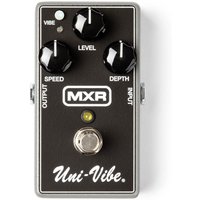
About the manufacturer
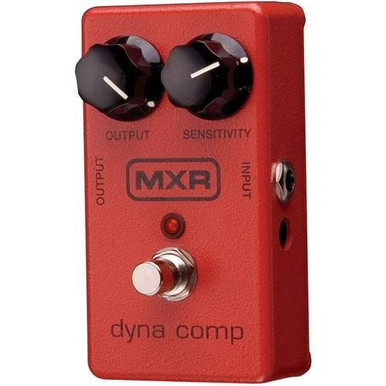
MXR is one of the most respected names in effects pedals, known for its rugged design, simplicity, and legendary tones. Founded in New York in the early 1970s, MXR quickly made its mark with classics like the Phase 90, Dyna Comp, and Distortion+, which became staples on countless pedalboards. Now part of the Dunlop family, MXR continues to innovate while maintaining the straightforward, no-nonsense approach that players love. Whether delivering subtle modulation, rich overdrive, or tight compression, MXR pedals are built to last and designed to perform, offering timeless sounds that have shaped decades of music.
More info about this Product
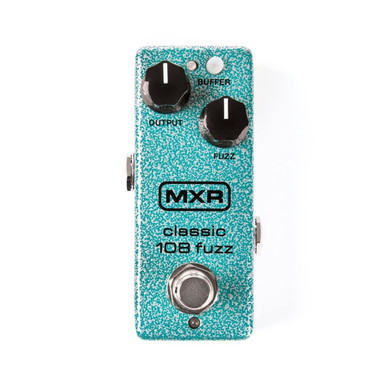
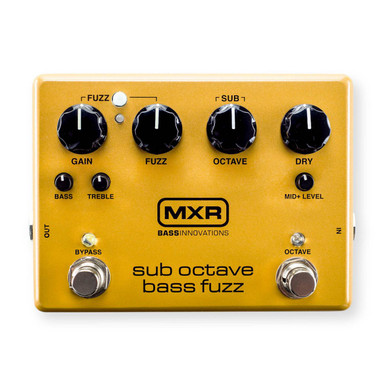
Fuzz drives the signal into extreme clipping, often flattening the waveform and generating a thick spectrum of harmonics. Transistor type, bias, input loading and tone filtering create markedly different responses, from loose and velvety to gated, spluttering or octave-rich. Some circuits interact strongly with pickup impedance and guitar volume, while others include buffers or blends for a more consistent response.
Guitar pedals are compact effects units that shape and enhance a guitar’s sound, sitting between the instrument and the amplifier. They include gain pedals like overdrive and distortion, modulation effects such as chorus and tremolo, time-based effects like delay and reverb, and essential utilities including tuners, compressors and loopers. Understanding basic things such as pedal type, signal order, power requirements and intended use helps players choose pedals that suit their style, setup and playing environment.
More Gear like this
Fuzz is one of the earliest and most distinctive guitar effects, known for its thick, gritty, and saturated tone that completely transforms your sound. It works by heavily clipping the audio signal, producing a raw, almost broken distortion that defined the sound of the ’60s and ’70s rock era. Classic pedals like the Fuzz Face and Big Muff became legendary for their roaring sustain and rich harmonic texture. Modern fuzz pedals range from vintage-style warmth to wild, synth-like chaos, making them perfect for players who want to add character, attitude, and a touch of chaos to their tone.
Guitar pedals alter, route, control or support an instrument signal from the floor. The tag covers individual effects, multi-effects, switching, tuning, looping, amplification and pedalboard utilities. The product category and additional effect tags identify the specific job each pedal performs.
Mini guitars use a reduced body, scale length or overall format for younger players, travel or compact practice. They are not all the same size, so compare scale length, nut width, tuning, construction and whether the instrument is a true short-scale design or a smaller interpretation of a full-size model.
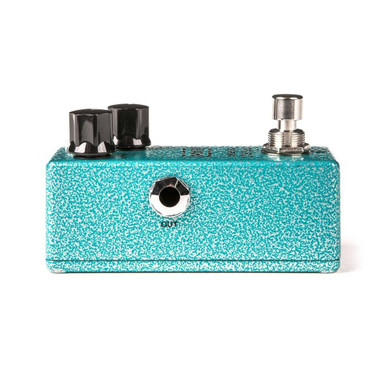
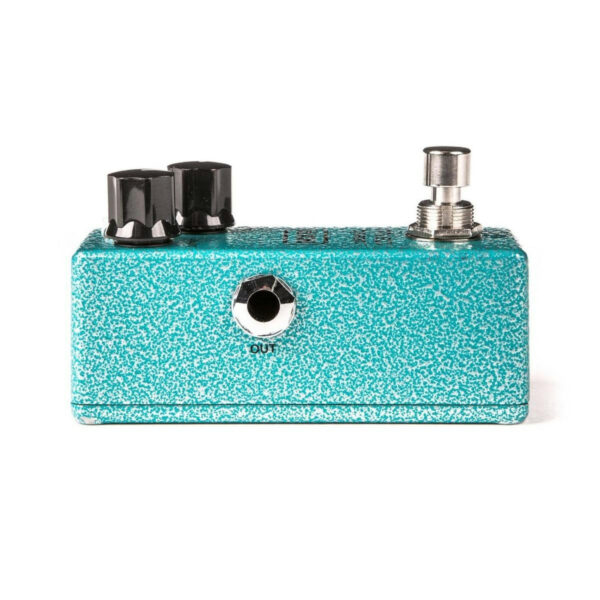
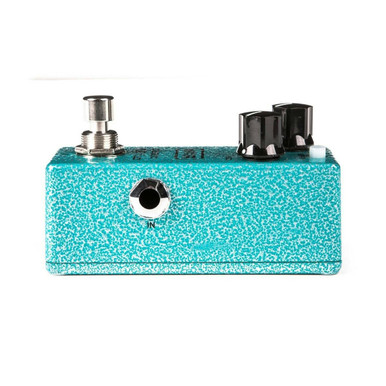
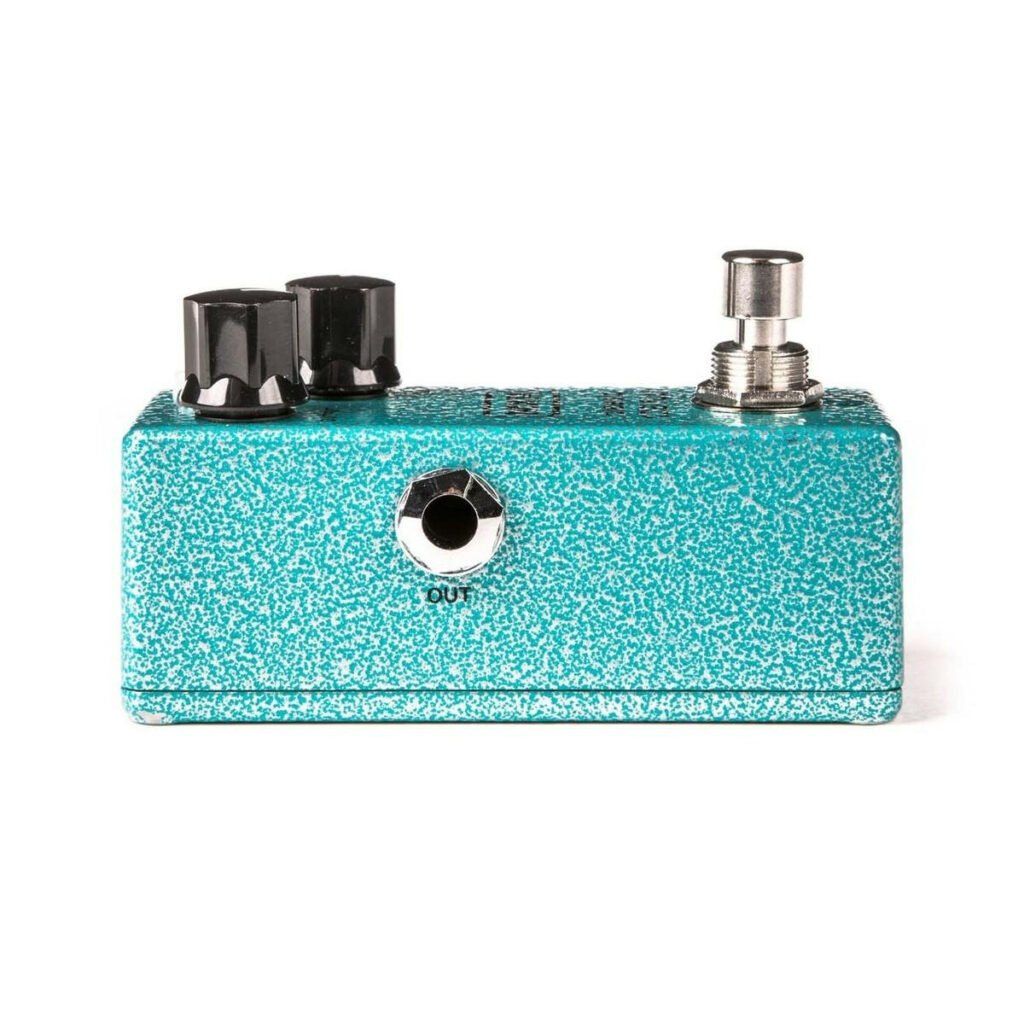
Uses a reduced-width enclosure to conserve pedalboard space. The smaller format can limit battery access, footswitch spacing and the number or size of controls, while side-mounted sockets and power placement determine how much space is actually saved once connected.